
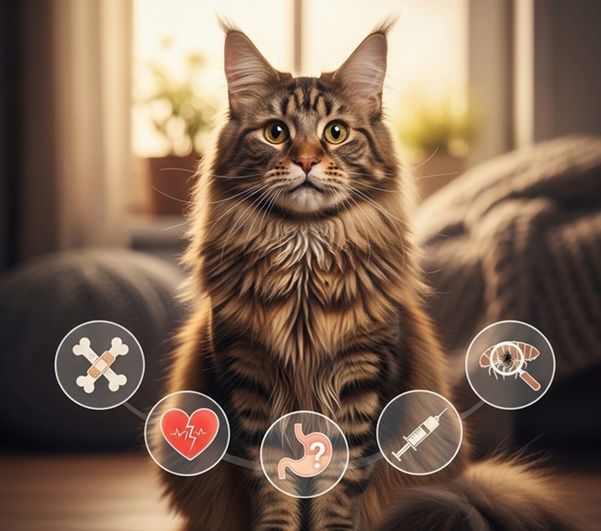
The Maine Coon cats are much loved for their gentle nature and large stature, but, like all purebred cats, they have their share of health issues. Knowing these Maine Coon health problems will help you take good care of them and recognize a problem as soon as it arises. Also, it will help you to make the decision of buying a Maine Coon cat as a pet. Being very healthy in general, just knowing the potential Maine Coon cat health issues can help your furry friend have a longer and happier life.
Common Maine Coon Health Problems
Recognizing health conditions that may affect this breed helps you spot initial symptoms and take your cat to the vet in a timely manner. Maine Coon concern is hereditary, since they pass from the genes. Let’s now see the three most dangerous ones.
1. Hip Dysplasia
Hip dysplasia is a condition that is usually linked to canines, but surprisingly, it is widespread among Maine Coons, partly because of their huge size. It is the abnormal development of the ball and socket hip joint, causing the joint to be loose and unstable and, eventually, to painful arthritis.
Symptoms to watch for:
- Difficulty jumping or climbing
- Limping or a “bunny-hopping” gait
- Reduced activity or reluctance to play
- Pain when the hip area is touched
Management:
Hip dysplasia is a condition that can’t be cured, but its symptoms can be managed through various treatments. Usually, treatments include weight reduction to minimize stress on the joints, painkillers, and occasionally, physical therapy. Surgery can be considered for severe cases. Responsible breeders screen their cats for this disorder in order to reduce how often it appears in the breed.
2. Hypertrophic Cardiomyopathy (HCM)
Hypertrophic Cardiomyopathy (HCM) is a common form of heart disease, and it’s most frequently seen in Maine Coons. This condition causes the muscular walls of the heart to become abnormally thick, which reduces the heart’s ability to pump blood effectively. This can result in severe complications, such as heart failure and the formation of blood clots.
A particular genetic mutation has been recognized for causing HCM in Maine Coons. DNA techniques exist for testing that mutation, so breeders can select for the gene to minimize the prevalence of such genes in future generations through informed selection.
Symptoms to watch for:
- Lethargy or weakness
- Rapid breathing or open-mouthed breathing
- Loss of appetite
- A sudden paralysis of the back legs can be caused by a blood clot.
Management:
If diagnosed with HCM, medication is chiefly given to keep the rate of the heart under control, reduce the fluid buildup, and prevent blood clots. Regular check-ups with a veterinary cardiologist are important to keep an eye on the condition.
3. Spinal Muscular Atrophy (SMA)
Maine Coons are also susceptible to a genetic disorder known as Spinal Muscular Atrophy (SMA). It is a disease that causes the loss of motor neurons from the spinal cord that control the muscles of the trunk and limbs, creating a condition of muscle weakness and atrophy.
Onset occurs typically when a kitten is about three to four months of age. Though it sounds severe, this condition is painless, and with a few modifications to their environment, affected cats can often lead comfortable lives as indoor pets. A DNA test also exists for SMA, and through this, breeders can avoid producing affected kittens.
Symptoms to watch for:
- Weakness in the hind legs
- An awkward or swaying walk
- Muscle tremors
- Difficulty jumping
4. Polycystic Kidney Disease (PKD)
About: In PKD cysts are formed in the kidneys with fluid, and with time possibly leading to renal failure. This is a genetic condition that gradually affects the kidneys, causing them to lose function over time.
Signs to look for:
- Increased thirst and frequent urination.
- Loss of appetite.
- Weight loss.
- Vomiting.
- Lethargy.
Prevention: Having blood work and urine tests done routinely aids in detecting kidney problems at an early stage. Provide clean water daily and serve a high-quality diet suitable for your cat’s age. Carrier animals can be identified through genetic testing.
5. Periodontal Disease
What it is: Dental problems are common in Maine Coons due to their large mouths and tendency to develop tartar buildup. Untreated periodontal disease can lead to tooth loss and a range of systemic health issues.
Signs to watch for:
- Bad breath
- Yellow or brown tartar on teeth
- Red, swollen gums
- Difficulty eating
- Pawing at the face
Preventive: Brush your feline’s teeth regularly using pet-safe toothpaste. Offer dental treats and toys that help combat plaque. This is followed by a professional dental cleaning under the recommendation of your veterinarian.
Read also: Comprehensive Guide to Choosing and Using Cat Toys
Proactive Maine Coon Care
Preventive Maine Coon care is always the best assurance in keeping any cat of this breed healthy. When you are searching for Maine Coons for sale to make a beloved pet. You should have proper knowledge about their caring.
Below are some crucial tips in caring for Maine Coon:
- Select a Reputable Breeder: A responsible breeder will conduct genetic testing for HCM, SMA, and screen for hip dysplasia. Don’t be afraid to ask for health clearances from the kitten’s parents.
- Vet Visits Are a Must: Having the cat checked yearly or twice yearly is a must. This way your vet can hear any potential Maine Coon cat health issues into the early stages before they become grave.
- Maintain Healthy Weight: Obesity can complicate joint problems like hip dysplasia and pressure on the heart. Feed your cat a high-quality, balanced diet and ensure they get plenty of exercise.
- Provide Environmental Enrichment: Provide entertainment and activities that keep the gentle giant physically challenged- interactive toys, scratching posts, and climbing trees. This will ensure the nurturing of his physical and mental well-being.
Creating a Healthy Environment for Your Maine Coon
Caring for Maine Coon involves more than just watching for health problems.. These gentle giants must be fed well, exercised, and mentally stimulated. The social nature of these cats means that they benefit from social interactions and companionship, which terms into their welfare.
Maine coon care entails the provision of climbing structures suitable for their size, grooming to prevent matting, and prevention of stresses. Given their friendly nature, this will surely ease examination at the vet so possible problems may be picked out early. Besides, proper sleep is mandatory. A cat sleeps 12-16 hours a day. So, their sleeping spot should be comfortable. Offer your pet a cozy and comfortable cat bed with soft fleece blankets. It is good to keep various beddings and blankets. Kittens are shy. For them cozy cave beds help to remain stress free. For exploring the environment from high places you can place hammock beds.
Taking Action for Your Maine Coon’s Health
Prevention remains your best tool against maine coon health problems. Establish a relationship with a veterinarian familiar with the breed, maintain regular check-up schedules, and stay informed about genetic testing options. Many Maine coon health problems have better outcomes when caught early.
Consider pet insurance to help manage potential veterinary costs, and keep detailed records of your cat’s health history. With proper care and attention, your Maine Coon can live a healthy life despite their predisposition to certain conditions.
For this reason, finding a reputable breeder who prioritizes genetic health is the most important step you can take. To find an ethically-bred kitten, you can start your search by looking at Maine Coons for sale.