

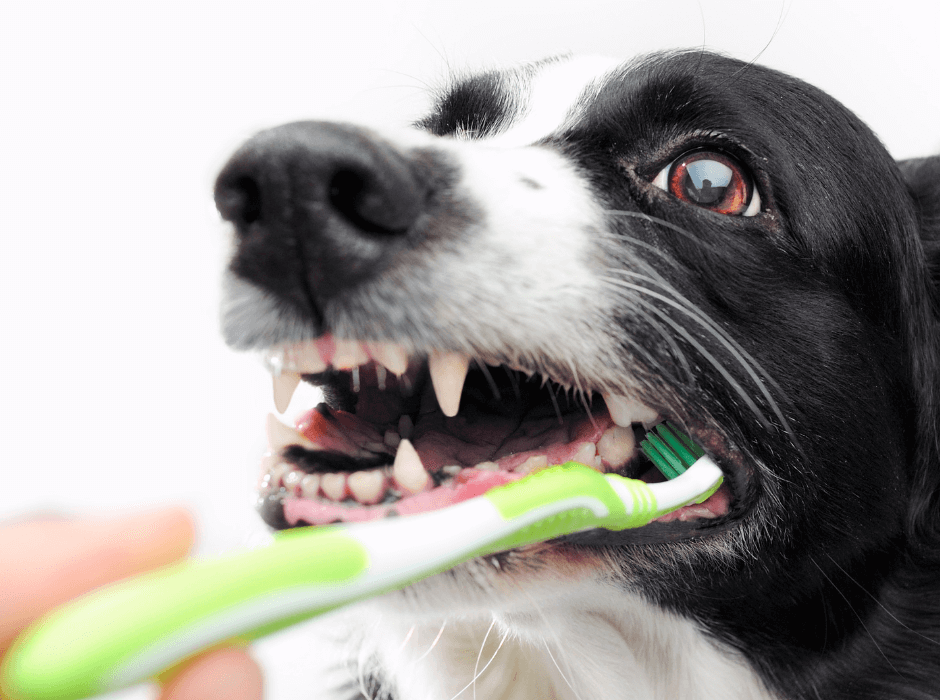
When it comes to your pet’s health, most people think about vaccinations, diet, and exercise—but what about dental care? Oral health is one of the most overlooked aspects of pet wellness, and it can have serious consequences if neglected.
At [Your Animal Hospital Name], we emphasize the importance of dental care as part of your pet’s routine healthcare. In this blog, we’ll explain why dental health matters, how to spot problems early, and what you can do to keep your pet’s mouth healthy for life.
Why Pet Dental Health Is So Important
Just like humans, pets can develop dental diseases that affect not just their mouth, but their entire body. In fact, according to the American Veterinary Medical Association, over 80% of dogs and 70% of cats show signs of dental disease by age three.
When plaque and tartar build up on your pet’s teeth, it leads to periodontal disease—an infection of the tissues surrounding the teeth. Left untreated, this can result in:
- Painful inflammation and gum recession
- Tooth loss
- Difficulty eating
- Bad breath (halitosis)
- Bacteria entering the bloodstream, potentially damaging the heart, liver, and kidneys
Dental disease progresses quietly, and pets often suffer in silence until the issue is advanced. That’s why preventive care is key.
Signs of Dental Problems in Pets
Your pet can’t tell you when their teeth hurt, so it’s up to you to watch for signs of dental disease. Common symptoms include:
- Persistent bad breath
- Red or bleeding gums
- Excessive drooling
- Difficulty chewing or dropping food while eating
- Pawing at the mouth or face
- Loose or missing teeth
- Swelling around the face or jaw
If you notice any of these signs, schedule a dental exam as soon as possible. The earlier the issue is caught, the easier and less expensive it is to treat.
What Happens During a Pet Dental Cleaning?
At [Your Animal Hospital Name], we perform professional dental cleanings under anesthesia for your pet’s safety and comfort. Here’s what you can expect:
1. Pre-Anesthetic Bloodwork
We begin with bloodwork to ensure your pet’s organs can safely handle anesthesia. This step is essential for detecting hidden health issues.
2. Anesthesia and Monitoring
Your pet will be placed under general anesthesia, allowing us to clean thoroughly and safely. Throughout the procedure, we monitor vital signs like heart rate, oxygen levels, and temperature.
3. Full-Mouth Exam and Cleaning
Using specialized tools, we remove plaque and tartar from the teeth and beneath the gumline. We also perform a full oral exam to check for:
- Cracked or loose teeth
- Oral tumors or growths
- Gum disease progression
4. Dental X-Rays
X-rays help us examine the health of your pet’s tooth roots and jawbone—areas not visible to the naked eye.
5. Extractions (if needed)
If any teeth are damaged or infected beyond repair, they may need to be removed to relieve pain and prevent further complications.
6. Post-Cleaning Care
Your pet will recover in our care until they are awake and alert. We’ll provide pain medication, if necessary, and instructions for home care.
Home Dental Care: What You Can Do
While annual professional cleanings are important, daily home care plays a huge role in keeping your pet’s teeth healthy. Here’s how to get started:
1. Brush Your Pet’s Teeth
Daily brushing is the gold standard. Use a pet-specific toothbrush and toothpaste—never human toothpaste, which can be toxic to pets. Start slowly and reward your pet for cooperating.
2. Use Dental Treats and Chews
Dental chews can help reduce plaque and tartar buildup, but not all products are created equal. Look for items approved by the Veterinary Oral Health Council (VOHC).
3. Try Dental Diets
Some prescription diets are designed to support dental health through special kibble shapes and ingredients that clean teeth as pets chew.
4. Water Additives and Oral Rinses
These products can help reduce bacteria in the mouth and freshen breath. Ask your vet which ones are safe and effective for your pet.
When to Schedule a Dental Exam
We recommend dental exams at least once a year, and more frequently for pets prone to dental issues, such as small-breed dogs, older pets, or those with a history of periodontal disease.
Dental care is about more than fresh breath—it’s about preventing pain and protecting your pet’s health from the inside out.
Final Thoughts
Don’t let your pet suffer in silence from dental disease. A clean, healthy mouth means a happier, more comfortable life. At [Your Animal Hospital Name], we’re committed to helping you stay ahead of dental issues with routine exams, professional cleanings, and easy-to-follow home care tips.
If it’s been over a year since your pet’s last dental check-up—or if you’ve noticed signs of oral discomfort—give us a call today to schedule an appointment. We’re here to support your pet’s smile, one tooth at a time. We recommend Osso vet.


